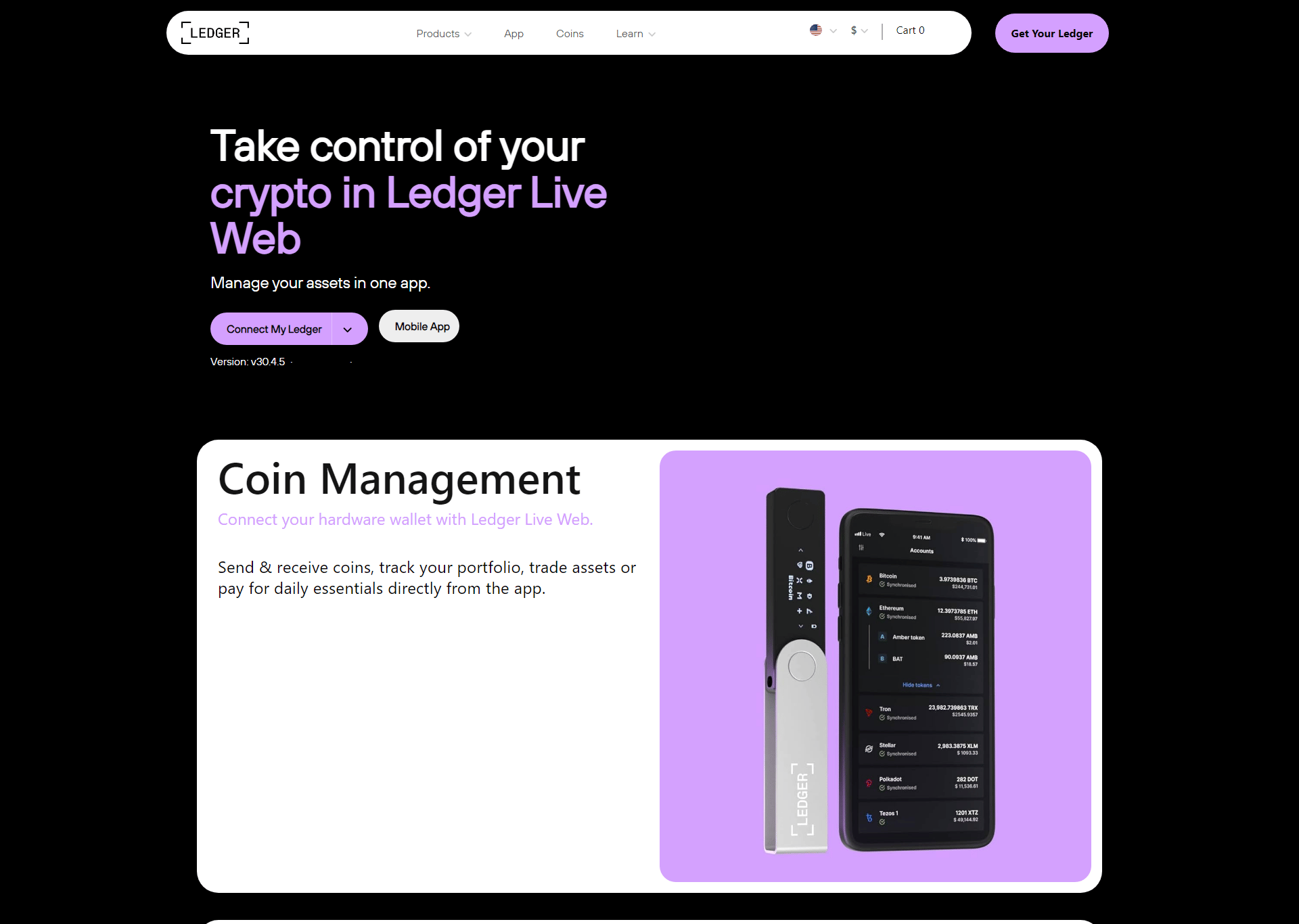
Ledger.com/start provides an informative introduction to hardware wallet functionality, device connections, recovery precautions, and crypto safety. Gffg

Ledger.com/start: A Practical Guide to Understanding Your First Wallet Setup

Starting with a hardware wallet can feel unfamiliar when you are managing cryptocurrency for the first time. You may have questions about device configuration, companion software, account access, and protecting your digital assets. Ledger.com/start is a useful starting point for learning about compatible Ledger hardware wallets and understanding the basic steps involved in preparing a device. A successful setup is not simply about connecting a device. It also means understanding how wallet security works and knowing which information should remain private.

Understand the Purpose of Ledger.com/start

Ledger.com/start helps users begin exploring the setup process for compatible Ledger hardware wallets. A hardware wallet is designed to keep private keys protected within the physical device while allowing users to approve supported transactions. This approach provides an additional layer of protection compared with keeping sensitive wallet information on an ordinary internet-connected computer. However, users still need to recognize suspicious websites, fake applications, and misleading transaction requests. Always enter the website address directly into your browser and verify the domain before following setup instructions.

What to Check Before Connecting Your Wallet

Preparing your device and computer can make the setup process easier. Consider these basic checks:
  • Use a trusted computer or compatible mobile device.
  • Make sure your operating system is updated.
  • Inspect your hardware wallet for visible damage.
  • Use a reliable connection cable when required.
  • Keep your recovery phrase backup materials ready.
  • Complete setup in a private environment.
Avoid using public computers or shared devices when configuring a cryptocurrency wallet. These environments may expose sensitive information or create additional security risks.

Follow the Initial Configuration Process

The exact instructions depend on the Ledger model you own. Follow the guidance provided for that specific device rather than assuming every model has identical features.

Visit the Correct Setup Website

Open Ledger.com/start by typing the address yourself. Check the spelling carefully and avoid links from unexpected messages or social media comments.

Obtain the Official Companion Software

Ledger Live is used for supported account and cryptocurrency management activities. Download it only from verified Ledger sources. Avoid modified installers and third-party software websites.

Connect and Configure Your Device

Connect your hardware wallet and follow the instructions displayed by the device and verified companion software. Read each prompt before continuing.

Choose a Secure PIN

Select a PIN that is not easy to guess. Keep it private and avoid writing it where other people can easily find it.

Keep Your Recovery Phrase Protected

Your recovery phrase is essential to wallet recovery. If your device becomes unavailable, this phrase may allow you to restore access through a compatible recovery process. During setup, write the words exactly as instructed by your genuine hardware wallet. Check the spelling and order, then store the backup somewhere private and secure. Never photograph the phrase for cloud storage or send it through email, chat, or social media. Do not enter it into a website, online form, or customer support conversation. Anyone who obtains your recovery phrase may be able to access your associated assets. Protect it as carefully as you protect your most important account credentials.

Manage Transactions With Greater Attention

After setup, learn how your hardware wallet displays transaction information. Before confirming a transfer, carefully review the recipient address, cryptocurrency network, amount, and fees. The information displayed on the physical device should match the transaction you intend to approve. If something looks unfamiliar or different, stop and investigate before continuing. For a new recipient, consider making a small test transfer before sending a larger amount.

Everyday Security Habits for Wallet Owners

Good security depends on consistent habits. Keep your software updated through verified sources, avoid suspicious browser extensions, and do not approve unexpected requests. Be especially careful with messages that claim your wallet is blocked, your account needs urgent verification, or your recovery phrase must be confirmed. These are common warning signs of phishing attempts.

Frequently Asked Questions

Is Ledger.com/start suitable for beginners?

It is a useful starting resource for people learning about compatible Ledger hardware wallet setup and related guidance.

Can I use Ledger Live on every device?

Compatibility depends on the Ledger hardware model, operating system, and software version. Check the official requirements before installing.

Should I keep my recovery phrase online?

No. Keep your recovery phrase offline and private. Never share it with another person or enter it into a website.

Do hardware wallets prevent every cryptocurrency scam?

No. They help protect private keys, but users must still identify fake websites, malicious software, and deceptive transaction requests.

Conclusion

Preparing a hardware wallet involves more than following a few installation instructions. By using Ledger.com/start as a starting point, checking your device, obtaining verified software, and securing your recovery phrase, you can build a more informed approach to cryptocurrency management. Take your time during setup and make transaction verification part of your everyday routine.